

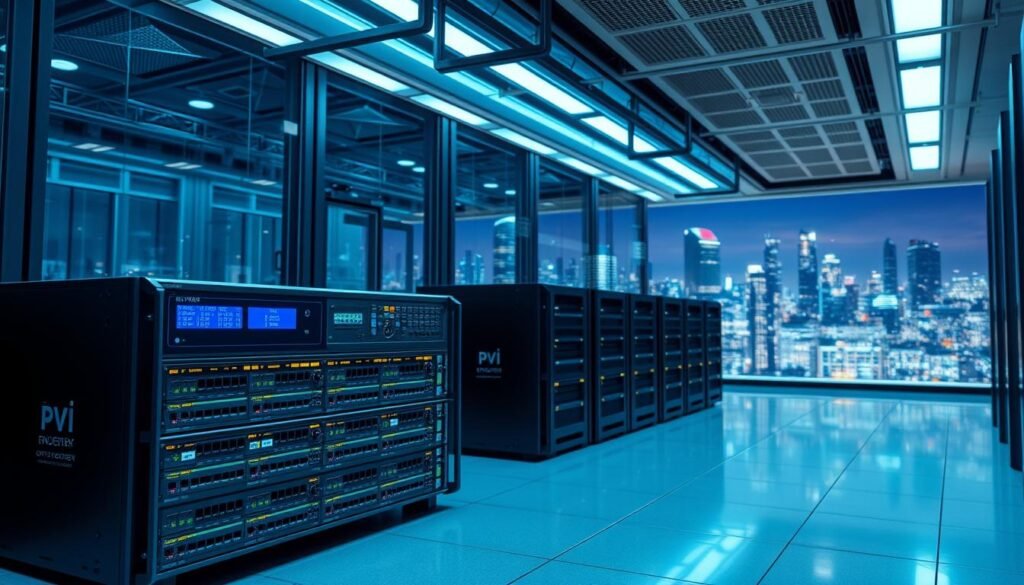
PVI Encoder IPTV – The Backbone of Modern Streaming and Broadcast Technology
Introduction
In today’s fast-paced digital world, television and entertainment are evolving faster than ever before. Internet Protocol Television (IPTV) has revolutionized how people consume media, allowing users to watch their favorite content anytime, anywhere, over the internet. But behind every seamless stream and crystal-clear broadcast lies a crucial piece of technology — the PVI Encoder.
The PVI Encoder IPTV system plays an essential role in converting traditional video signals into IP-based streams that can be transmitted over the internet with outstanding quality and reliability. Whether you’re running a broadcasting station, managing a hotel entertainment network, or operating a global IPTV platform, understanding how PVI encoders work is vital to delivering exceptional streaming performance.
In this comprehensive guide, we’ll explore everything you need to know about PVI Encoder IPTV — how it works, its advantages, applications, and why it’s a preferred solution for IPTV professionals around the world.
1. What Is a PVI Encoder?
A PVI Encoder (short for ProVideo Instruments Encoder) is a device that converts traditional video and audio signals into digital IP streams. These streams are then distributed across networks, allowing viewers to access high-definition content on multiple platforms and devices.
PVI encoders are designed for professional IPTV applications, offering robust performance, scalability, and compatibility with modern streaming protocols. They’re often used by broadcasters, sports bars, hotels, universities, and IPTV service providers to distribute high-quality video over existing network infrastructure.
How It Works
At its core, the encoder takes an HDMI or SDI video input, compresses it using modern codecs (such as H.264 or H.265/HEVC), and then encapsulates the stream into IP packets for distribution over Ethernet networks. These packets can then be decoded by set-top boxes, smart TVs, or IPTV apps anywhere on the network.
2. The Role of Encoders in IPTV Systems
Encoders are the first step in any IPTV delivery chain. Without encoding, raw video signals would be too large to transmit efficiently over the internet. The encoder compresses, formats, and optimizes these signals for smooth streaming.
Key Functions:
-
Compression: Reduces the video file size while maintaining high quality.
-
Format Conversion: Converts signals to IP-compatible formats.
-
Streaming: Delivers real-time video to multiple endpoints.
-
Security: Supports encryption and DRM features to protect content.
Encoders like those from ProVideo Instruments (PVI) are engineered to perform all these tasks seamlessly, ensuring viewers receive smooth, high-quality video without buffering or quality degradation.
3. Why Choose PVI Encoders for IPTV?
PVI has built a strong reputation in the video distribution industry by offering high-quality, reliable, and user-friendly products. Their encoders are trusted by professionals across various sectors because of their robust performance and versatility.
a. Superior Video Quality
PVI encoders use advanced compression algorithms such as H.264 and H.265 (HEVC) to deliver crisp HD and 4K video with minimal bandwidth usage. This ensures viewers enjoy clear, uninterrupted streams — even on lower network speeds.
b. Flexible Integration
These encoders are designed to integrate easily with existing IPTV middleware, CMS systems, and content delivery platforms. Whether you’re streaming to smart TVs, web browsers, or set-top boxes, PVI encoders provide the flexibility you need.
c. Scalability
PVI solutions grow with your business. From small hospitality setups to large-scale broadcasting operations, their encoders can handle multiple inputs, channels, and resolutions with ease.
d. Low Latency
In live broadcasts, latency can make or break the viewing experience. PVI encoders are optimized for ultra-low latency, making them ideal for live sports, gaming, and real-time interactive streaming.
e. Reliability and Stability
Engineered for 24/7 operation, PVI encoders deliver exceptional reliability. They feature robust hardware and efficient cooling systems to ensure stable performance under heavy loads.
4. PVI Encoder Product Line Overview
PVI offers a range of encoders tailored to various applications and budgets. Some of their most popular models include:
a. PVI VECOAX MINIMOD-2
One of the most popular HDMI-to-Coax/IP encoders, the MINIMOD-2 allows users to broadcast HD video over existing coaxial or Ethernet networks. It’s simple to install and widely used in hospitality, education, and small broadcasting environments.
b. PVI VECOAX MICROMOD
A compact solution designed for flexibility. It supports both HDMI and component inputs and can distribute content in HD to multiple TVs over IP or RF networks.
c. PVI VECOAX ULTRA
The ULTRA series is designed for professional-grade IPTV installations, offering multiple input channels, higher bitrates, and extensive customization options for large-scale deployments.
d. PVI VECOAX RACK Series
Built for enterprise-grade video distribution, the RACK series encoders support multiple channels in a single rack-mount unit, ideal for broadcasters, stadiums, and ISPs.
5. Applications of PVI Encoders in IPTV Systems
The versatility of PVI encoders makes them suitable for a wide variety of use cases across multiple industries.
a. Broadcasting and OTT Streaming
Encoders are at the heart of every live broadcast and OTT streaming platform. PVI encoders ensure your content reaches audiences globally in HD or 4K, without interruptions or latency issues.
b. Hospitality Industry
Hotels, resorts, and cruise ships use PVI encoders to distribute entertainment, information, and advertisements to guest rooms and public areas via IPTV networks.
c. Sports Venues and Bars
Sports fans demand live action without lag. PVI encoders ensure real-time streaming to multiple screens, delivering an immersive experience during major sporting events.
d. Educational Institutions
Universities and schools use IPTV and encoders for digital signage, live lectures, and event streaming across campuses.
e. Corporate Communication
Businesses use PVI encoders to broadcast company announcements, training videos, and live conferences securely across internal networks.
6. Technical Specifications and Features
To understand why PVI encoders are top-tier, let’s explore some of their standout technical features.
Video and Audio Encoding
-
Video Codecs: H.264 / H.265 / MPEG-2
-
Audio Codecs: AAC, AC3, MP2
-
Resolution Support: Up to 4K UHD
-
Bitrate Control: Constant and variable bitrate modes
Networking
-
Protocols: RTP, UDP, RTSP, HLS, HTTP
-
Ethernet Interface: Gigabit network port for stable transmission
-
Multicast and Unicast Streaming Support
Input/Output Options
-
HDMI, SDI, Component, and Composite Inputs
-
IP, Coax, and ASI Outputs
System Management
-
Web-based configuration interface
-
SNMP monitoring and control
-
Firmware updates for improved performance
7. Setting Up a PVI Encoder for IPTV
Setting up a PVI encoder is surprisingly straightforward. Most models come with an intuitive web interface that simplifies configuration.
Step-by-Step Setup:
-
Connect Video Source: Attach your HDMI or SDI source to the encoder input.
-
Network Connection: Connect the encoder to your LAN via Ethernet.
-
Configure Stream: Access the web interface and set stream parameters (codec, bitrate, IP address, etc.).
-
Start Streaming: Once configured, the encoder will begin broadcasting to your IPTV middleware or player.
PVI’s plug-and-play design makes it easy even for non-technical users to get professional results.
8. Comparing PVI Encoders with Other Brands
When comparing PVI encoders to other market leaders like Harmonic, Teradek, or AJA, the difference often lies in price-to-performance ratio, usability, and reliability.
| Feature | PVI Encoder | Teradek | Harmonic | AJA |
|---|---|---|---|---|
| Ease of Setup | ✅ Simple | ⚪ Moderate | ⚪ Complex | ⚪ Moderate |
| Price | 💰 Affordable | 💰💰 | 💰💰💰 | 💰💰 |
| Video Quality | ✅ Excellent | ✅ Excellent | ✅ Excellent | ✅ Excellent |
| Multi-channel Support | ✅ Yes | ⚪ Limited | ✅ Yes | ⚪ Limited |
| 24/7 Stability | ✅ Proven | ✅ | ✅ | ✅ |
PVI strikes an ideal balance between affordability and high-end performance, making it the preferred choice for medium to large IPTV deployments.
9. Benefits of Using PVI Encoder IPTV Solutions
a. Cost Efficiency
Because PVI encoders use existing network infrastructure, businesses save on cabling and equipment costs.
b. Centralized Control
Administrators can easily monitor, update, and manage encoders remotely through web dashboards.
c. Enhanced User Experience
Viewers enjoy uninterrupted, high-quality streams — a key factor in customer satisfaction.
d. Future-Proof Technology
PVI continually updates its products to support the latest video codecs, network protocols, and resolutions.
10. Common Challenges and How PVI Solves Them
| Challenge | Solution |
|---|---|
| Network Congestion | PVI’s adaptive bitrate streaming and multicast support optimize bandwidth usage. |
| Latency Issues | Hardware acceleration and optimized compression reduce delay. |
| Complex Setup | Web-based UI and auto-configuration tools simplify installation. |
| Maintenance | Firmware updates and SNMP monitoring make management seamless. |
11. PVI Encoders and the Future of IPTV
As IPTV technology continues to evolve, PVI is investing in innovations such as cloud-based encoding, AI-enhanced compression, and 5G streaming support. These advancements will redefine real-time video distribution by offering greater flexibility, quality, and interactivity.
Emerging trends like interactive television, VR/AR streaming, and ultra-low-latency broadcasting will all rely heavily on encoder performance — and PVI is at the forefront of these developments.
Conclusion
The PVI Encoder IPTV system stands as a cornerstone in the modern digital broadcasting ecosystem. Whether used in hospitality, sports, corporate environments, or large-scale IPTV networks, it ensures reliable, high-quality, and efficient video delivery.
Its blend of powerful performance, intuitive setup, and cost-effectiveness makes PVI encoders a trusted solution for professionals seeking to elevate their IPTV services. As streaming demands continue to rise, investing in the right encoder — like PVI — ensures you’re prepared for the next generation of entertainment technology.
