

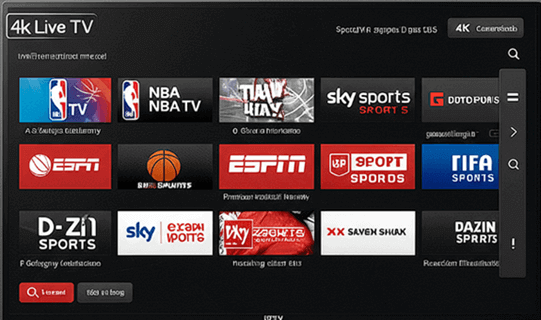
IPTV with 4K: The Future of Ultra HD Streaming Entertainment
Introduction: The Rise of IPTV in a 4K World
Over the last decade, television has undergone a dramatic transformation. Gone are the days when viewers relied on satellite dishes or cable boxes to access their favorite channels. Today, Internet Protocol Television (IPTV) has become the dominant force in digital entertainment. By transmitting television content through internet networks, IPTV delivers unprecedented flexibility, customization, and quality — especially with the rise of 4K Ultra HD.
As 4K displays become the new standard for televisions, smartphones, and even computer monitors, IPTV providers are racing to offer 4K-ready streaming services. Viewers now expect cinematic picture quality, vibrant colors, and razor-sharp clarity — all accessible from anywhere, anytime, through an internet connection.
This comprehensive guide explores everything you need to know about IPTV with 4K — from how it works and its benefits, to the technology behind it, legal considerations, and the best services that currently support 4K streaming.
What Is IPTV and How Does It Work?
Understanding IPTV Technology
IPTV, or Internet Protocol Television, refers to the delivery of television content through Internet Protocol (IP) networks. Unlike traditional broadcast methods such as satellite or cable TV, IPTV doesn’t rely on frequency-based transmission. Instead, it uses your internet connection to stream channels and on-demand content.
The process involves three major components:
-
Content Source – This can include live TV channels, video-on-demand libraries, and even exclusive content from production studios.
-
IPTV Middleware – This acts as the bridge between the content source and the user. It manages user authentication, channel management, and playback controls.
-
User Interface – Viewers access IPTV content through applications or set-top boxes compatible with smart TVs, smartphones, tablets, or computers.
When combined with 4K encoding and compression technologies, IPTV offers an incredibly efficient and high-quality streaming experience.
What Makes 4K IPTV Different?
1. Ultra High Definition (UHD) Resolution
4K refers to a display resolution of 3840 x 2160 pixels, which is four times the pixel count of standard Full HD (1080p). This means finer details, more realistic textures, and deeper contrasts. When streaming IPTV in 4K, viewers enjoy a cinematic experience that rivals or even surpasses Blu-ray quality.
2. Advanced Video Codecs
To stream 4K efficiently, IPTV services use modern codecs such as HEVC (H.265) or AV1, which compress large video files without sacrificing visual quality. This ensures smooth playback even on moderate internet connections, reducing buffering and bandwidth usage.
3. HDR (High Dynamic Range)
Many IPTV platforms that support 4K also integrate HDR technology, which enhances color accuracy and brightness. HDR formats like HDR10, HLG, and Dolby Vision bring out lifelike visuals, making sports, movies, and documentaries more immersive.
The Benefits of IPTV with 4K Streaming
1. Exceptional Picture Quality
The most obvious advantage of 4K IPTV is the stunning visual clarity. Whether it’s the sweat on a player’s face during a football match or the fine textures in a movie scene, every detail becomes more vivid and realistic.
2. Access to Global Content
IPTV platforms often provide thousands of channels from around the world — including premium 4K options like Sky Sports 4K, HBO 4K, or Netflix 4K integration (depending on legality and licensing). Viewers can access international entertainment without geographical limitations.
3. Multi-Device Compatibility
Most IPTV services are available on:
-
Smart TVs (Samsung, LG, Sony, etc.)
-
Android TV boxes and Firestick
-
iOS and Android smartphones
-
Laptops and tablets
-
IPTV apps such as IPTV Smarters, Tivimate, and GSE Smart IPTV
This makes it easy to watch 4K content anytime, anywhere.
4. Cost-Effective Entertainment
Compared to traditional cable or satellite subscriptions, IPTV often provides more content at a lower monthly cost. Users can customize their subscription plans to include only the channels or packages they want.
5. On-Demand Flexibility
With IPTV, viewers can pause, rewind, or rewatch live programs. 4K IPTV also enhances Video-on-Demand (VoD) quality, offering blockbuster movies and series in UHD without needing Blu-ray discs or downloads.
Technical Requirements for Watching IPTV in 4K
While IPTV with 4K delivers remarkable quality, it does require specific hardware and network conditions.
1. Stable and High-Speed Internet Connection
To stream 4K IPTV seamlessly, a minimum download speed of 25 Mbps is recommended. However, for the best performance — especially when multiple devices are connected — 50 Mbps or higher is ideal.
2. 4K-Capable Device
You’ll need a 4K television or monitor that supports Ultra HD resolution. Popular options include Samsung QLED, LG OLED, and Sony Bravia 4K TVs. Additionally, ensure that your device supports HDCP 2.2 for protected 4K content.
3. IPTV App or Set-Top Box
To decode 4K IPTV streams, users can use:
-
MAG 524/524w3 set-top boxes
-
NVIDIA Shield TV
-
Amazon Fire TV 4K Stick
-
Android TV boxes with HEVC support
4. Compatible Subscription Plan
Some IPTV providers offer 4K as part of their premium packages, so make sure your plan includes UHD channels or content libraries.
The Technology Behind 4K IPTV
To deliver such high-quality content efficiently, IPTV with 4K relies on several advanced technologies:
1. Video Compression
The HEVC (High-Efficiency Video Coding) standard is essential for 4K IPTV. It reduces file sizes by 50% compared to H.264, allowing high-quality streaming without overloading internet connections.
2. Content Delivery Networks (CDN)
CDNs distribute IPTV content across global servers, ensuring low-latency and high-speed playback. When you watch a 4K stream, data is typically delivered from the nearest CDN node for minimal buffering.
3. Adaptive Bitrate Streaming
To maintain smooth playback, IPTV uses adaptive bitrate streaming, which automatically adjusts video quality based on your current bandwidth. If your connection weakens temporarily, it downgrades to 1080p or 720p until stable again.
4. Encryption and DRM
To protect 4K content from piracy, IPTV providers often use Digital Rights Management (DRM) systems and encryption protocols such as Widevine, PlayReady, or FairPlay.
Popular IPTV Services Offering 4K Streaming
While many IPTV platforms claim to support 4K, not all deliver consistent UHD quality. Below are some legitimate and high-quality IPTV providers (availability may vary by region):
-
Sling TV – Offers select channels in 4K, including sports and entertainment networks.
-
Hulu + Live TV – Integrates live TV and on-demand streaming with a growing library of 4K content.
-
YouTube TV – Provides live 4K broadcasts and DVR functionality for select sports and news channels.
-
IPTV Smarters-compatible services – When paired with the right provider, this app can deliver 4K streams smoothly.
-
Xtreme HD IPTV – Known for reliable servers, global channels, and extensive 4K sports coverage.
-
Netflix, Disney+, and Prime Video – Although not IPTV in the traditional sense, these OTT services demonstrate the mainstream demand for 4K content.
Legal Considerations: Watching IPTV Responsibly
While IPTV technology itself is legal, not all IPTV services operate within legal frameworks. Unauthorized IPTV providers often stream copyrighted channels without permission, which can result in legal consequences for both the provider and the user.
To ensure legality:
-
Always use licensed IPTV services.
-
Avoid providers that offer “all premium channels” at suspiciously low prices.
-
Use official streaming devices and apps verified by Google Play, Amazon, or Apple.
-
Be cautious of M3U playlists shared online, as many contain pirated streams.
Legitimate IPTV platforms comply with copyright laws, pay for broadcast rights, and offer customer support — ensuring a safe and legal 4K viewing experience.
4K IPTV for Sports Enthusiasts
Sports fans are among the biggest beneficiaries of 4K IPTV. Watching football, tennis, or Formula 1 in Ultra HD provides a front-row experience, bringing every play and movement to life.
Popular sports channels available in 4K IPTV packages include:
-
Sky Sports 4K
-
BT Sport Ultimate
-
beIN Sports 4K
-
ESPN 4K
-
DAZN 4K
The high frame rates and HDR support ensure fluid motion, realistic colors, and unparalleled clarity — perfect for live events.
Challenges Facing IPTV with 4K
Despite its advantages, 4K IPTV comes with certain challenges:
1. Bandwidth Demands
4K streams require higher bandwidth, which can be a problem in regions with limited internet infrastructure.
2. Storage and Server Costs
Providers must maintain powerful servers and CDNs to handle 4K data, which increases operational costs.
3. Licensing Restrictions
Not all content is available in 4K due to licensing or production limitations.
4. Compatibility Issues
Older devices or TVs may not support 4K decoding, requiring users to upgrade hardware.
The Future of IPTV and 4K Streaming
The future of IPTV is inseparable from 4K and beyond — including 8K streaming, AI-driven content curation, and interactive TV experiences.
Emerging trends include:
-
Cloud-based IPTV platforms for scalable, on-demand UHD delivery.
-
5G networks that will make 4K and even 8K streaming seamless.
-
AI-powered recommendations that learn viewer habits to suggest personalized 4K content.
-
Virtual Reality (VR) and Augmented Reality (AR) integration for immersive live experiences.
With these innovations, IPTV is not just replacing traditional TV — it’s reinventing how we experience entertainment.
How to Choose the Best 4K IPTV Provider
When selecting a 4K IPTV provider, consider the following:
-
Channel Selection – Look for a wide range of 4K channels (sports, movies, documentaries, etc.).
-
Streaming Quality – Ensure the provider offers stable and consistent UHD streams.
-
Customer Support – Reliable IPTV providers offer 24/7 assistance.
-
Compatibility – Check if the service supports your devices and preferred IPTV app.
-
Trial Periods – Opt for services that allow you to test before committing.
-
Legal Compliance – Always choose officially licensed IPTV services.
Tips for Enhancing Your 4K IPTV Experience
-
Use Ethernet instead of Wi-Fi for a stable connection.
-
Close other internet-heavy applications while streaming.
-
Adjust app settings to enable 4K playback.
-
Regularly update your IPTV app and device firmware.
-
Consider a VPN if your region restricts certain legal IPTV services (ensure it’s used legally).
Conclusion: The Bright Future of IPTV with 4K
IPTV with 4K represents the ultimate evolution in modern television. It merges the flexibility of internet-based delivery with the breathtaking clarity of Ultra HD. Whether you’re watching live sports, bingeing on the latest shows, or exploring documentaries, 4K IPTV ensures every moment is more vivid, immersive, and lifelike.
As technology continues to advance — from 5G connectivity to AI-driven content delivery — IPTV with 4K will only become faster, sharper, and more accessible. For viewers seeking the perfect blend of quality, convenience, and control, IPTV in 4K is truly the future of home entertainment.
