

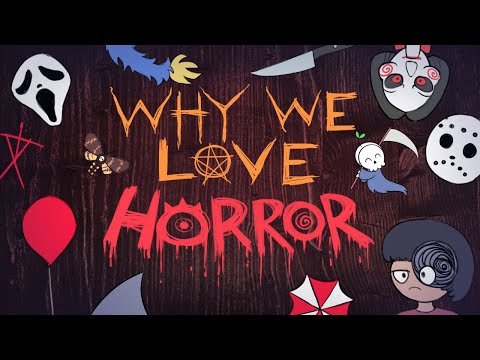
The Ultimate Guide to Horror Movies: Why We Love Fear, What to Watch, and How the Genre Keeps Evolving
Horror movies are one of the most enduring, diverse, and emotionally explosive genres in cinema. Whether you’re the type who watches with the lights on or someone who actively wants a film to ruin your sleep schedule, there’s something irresistible about fear wrapped in fiction. Horror is a genre that constantly reinvents itself, pushes boundaries, and reflects society’s deepest anxieties. It survives and thrives because it understands the human psyche better than almost any other form of visual storytelling.
This long-form guide explores the evolution of horror movies, the psychology behind why people love being scared, the major subgenres, iconic films that shaped the industry, and the modern wave of prestige horror redefining the art. By the end, you’ll have a complete roadmap of the horror landscape and a long list of must-watch films for your next terrifying movie night.
Why Horror Movies Matter
Horror movies aren’t just cheap entertainment or seasonal fun for Halloween. They serve deeper cultural and emotional functions. At their core, horror films give us a safe space to process fear. They allow us to confront unsettling topics like death, trauma, isolation, and the unknown without facing real danger.
Psychologists often argue that horror offers a controlled form of exposure therapy. You feel the adrenaline, the increased heartbeat, and the heightened senses, yet you know you’re safe on your couch or in a movie theater. This mixture of fear and safety creates a thrill unlike anything else. Some viewers love the intensity; others crave the catharsis that comes after surviving a cinematic nightmare.
For filmmakers, horror is also an incredibly flexible genre. With relatively low budgets, directors can experiment with style, storytelling, and symbolism in ways blockbuster films often can’t. That’s why so many acclaimed directors started with horror: Sam Raimi, Peter Jackson, James Wan, Jordan Peele, and more. Horror is the playground where creativity gets unleashed.
The Evolution of Horror Cinema
Horror movies didn’t start with jump scares or hyper-realistic demons. Their roots go back to early cinema when silent films relied on expressionistic visuals and practical effects to unsettle audiences. Over decades, the genre expanded, transformed, and splintered into countless subgenres.
Here’s a quick journey through its evolution.
1. The Silent Era: Shadows and Nightmares
The earliest horror classics, such as Nosferatu (1922) and The Cabinet of Dr. Caligari (1920), used shadowy imagery, unnatural movements, and distorted sets to create dreamlike terror. Without sound, the visuals had to do all the heavy lifting. These films established the foundation for horror aesthetics: tension, atmosphere, and the fear of the unknown.
2. The Monster Age of the 1930s and 1940s
Universal Pictures dominated this era. Iconic monsters like Dracula (1931), Frankenstein (1931), The Mummy (1932), and The Wolf Man (1941) turned horror into mainstream entertainment. These characters became cultural legends, carrying themes of identity, fear of science, and the terror of transformation.
3. The Psychological Boom of the 1960s
Horror evolved again as filmmakers began exploring human madness. Alfred Hitchcock’s Psycho (1960) redefined the genre with its focus on real-world fear rather than supernatural creatures. Meanwhile, Rosemary’s Baby (1968) played with paranoia, and Night of the Living Dead (1968) introduced modern zombies while subtly tackling racism and social collapse.
4. The Slasher Golden Age of the 1970s and 1980s
Horror got bloodier, darker, and more sensational. Films like The Texas Chain Saw Massacre (1974), Halloween (1978), A Nightmare on Elm Street (1984), and Friday the 13th (1980) established the slasher formula: masked killers, teenage victims, and relentless tension. This era also produced some of the most iconic horror villains ever created.
5. The Supernatural and Found Footage Revolution of the 2000s
As the new millennium began, horror diversified. The Ring (2002) and The Grudge (2004) introduced Americans to Japanese-style ghost storytelling. Then the found-footage boom hit with The Blair Witch Project (1999) and later Paranormal Activity (2007), proving you could terrify millions with almost no budget.
6. The Prestige Horror Era: 2010s to Today
Modern horror has elevated the genre into award-winning art. Directors like Ari Aster, Robert Eggers, Mike Flanagan, and Jordan Peele have created films that combine terror with social commentary, symbolism, and psychological depth. Movies such as Hereditary, Get Out, The Witch, and The Babadook are now studied in film schools and praised for their craftsmanship.
Why We Enjoy Being Scared
Fear is one of the oldest emotions in human history, yet horror movies transform it into entertainment. Here are the core reasons viewers keep coming back:
1. Adrenaline and Excitement
When you watch a horror film, your body releases adrenaline. This heightened state can feel thrilling, almost like riding a roller coaster.
2. Safe Exposure to Fear
Horror lets us confront our anxieties in a controlled environment. When the movie ends, you get emotional relief.
3. Curiosity About the Unknown
Humans are drawn to mysteries, dark secrets, and the things we don’t understand. Horror satisfies that curiosity without real danger.
4. Social Bonding
Watching horror with friends or a partner is a bonding experience. Sharing scares makes people feel closer.
5. Artistic Appreciation
Many horror fans watch for cinematography, creature design, storytelling, symbolism, or psychological depth.
Major Horror Subgenres Explained
Horror is not one-size-fits-all. Here are the most important subgenres and what makes each one unique.
1. Supernatural Horror
Ghosts, demons, haunted houses, and cursed objects. Think of The Conjuring, Insidious, or The Exorcist. These films tap into spiritual fears and ancient folklore.
2. Psychological Horror
These films focus on the mind rather than monsters. Examples include Black Swan, Hereditary, and The Shining. You’re left questioning what’s real and what’s not.
3. Slasher Films
A killer stalks victims one by one. Classic slashers include Halloween, Scream, and A Nightmare on Elm Street.
4. Monster Horror
From vampires to zombies to giant creatures, monster horror explores fear of predators or mutation. Think Alien, The Thing, World War Z, or A Quiet Place.
5. Found Footage
Filmed like a documentary or lost tape, found footage feels raw and real. Hits include The Blair Witch Project, REC, and Paranormal Activity.
6. Body Horror
Focuses on physical transformation, infection, or mutilation. Examples: The Fly, Titane, The Thing, and David Cronenberg’s entire filmography.
7. Folk Horror
Rural settings, ancient rituals, cults, and pagan themes. Movies like The Witch, Midsommar, and The Wicker Man define this eerie subgenre.
Iconic Horror Movies Every Fan Should Watch
Here is a curated list of some essential horror films that shaped the genre:
-
The Exorcist (1973)
-
Halloween (1978)
-
The Shining (1980)
-
The Thing (1982)
-
Psycho (1960)
-
Hereditary (2018)
-
Get Out (2017)
-
The Conjuring (2013)
-
Train to Busan (2016)
-
The Babadook (2014)
-
A Nightmare on Elm Street (1984)
-
The Ring (2002)
-
Alien (1979)
You can build an entire marathon out of just these films and cover almost every subgenre.
The Rise of International Horror Cinema
Horror is a global phenomenon, and many of the best films come from outside Hollywood.
Japanese Horror (J-Horror)
Known for eerie atmosphere and ghostly themes. Films like Ju-On, Dark Water, and Ringu influence worldwide trends.
Korean Horror
Often emotional, stylish, and socially aware. Hits include Train to Busan, A Tale of Two Sisters, and The Wailing.
French Extremity
A wave of brutal, intense psychological and body horror. Examples: Martyrs, Inside, and High Tension.
Middle Eastern and North African Horror
Underrated but growing, with films like Under the Shadow (Iran/UK) and Djinn (UAE) exploring folklore and political tension through fear.
Modern Horror: Is It Getting Better or Just Smarter?
Modern horror isn’t simply about scaring audiences; it’s about using fear to explore deeper themes:
-
Trauma
-
Grief
-
Isolation
-
Racism
-
Family pressure
-
Religion
-
Political anxiety
Prestige horror has blurred the line between art and fear. Directors now use metaphor, symbolism, and emotional depth to craft stories that linger long after the credits roll.
Ari Aster’s Hereditary uses horror to explore family dysfunction. Jordan Peele’s Get Out blends social satire with suspense. Robert Eggers’ films mix folklore with historical authenticity. These films are reshaping what horror can be.
How to Choose the Right Horror Movie for Your Mood
Because the genre is so broad, the perfect horror film depends on what kind of experience you want.
If you want…
Adrenaline: Try It Follows, Don’t Breathe, The Conjuring.
Mind-bending: Watch Hereditary, Black Swan, Saint Maud.
Classic chills: Go for The Shining or The Exorcist.
Fun popcorn horror: Pick Scream or Happy Death Day.
Gore and chaos: Try Evil Dead, Saw, or The Devil’s Rejects.
A disturbing slow burn: Watch The Witch, Midsommar, The Lodge.
The Future of Horror Movies
Horror is one of the most innovative genres, and its future looks strong. Expect to see more:
-
Psychological and symbolic storytelling
-
Diverse international voices
-
AI-enhanced filmmaking
-
Elevated monster design
-
Socially aware narratives
-
Low-budget experiments with big impact
As long as humans fear the dark, the unknown, and their own minds, horror cinema will keep evolving.
Final Thoughts
Horror movies are more than jump scares and blood. They’re reflections of society, windows into the subconscious, and some of the most creative stories film has to offer. Whether you’re a casual viewer or a hardcore fan, horror has something for you.
From haunted houses to mind-bending psychological nightmares, from global cult classics to modern masterpieces, the genre continues to reinvent itself and captivate audiences around the world. With endless subgenres and new voices pushing boundaries every year, there’s never been a better time to dive into horror and explore its deepest shadows.
